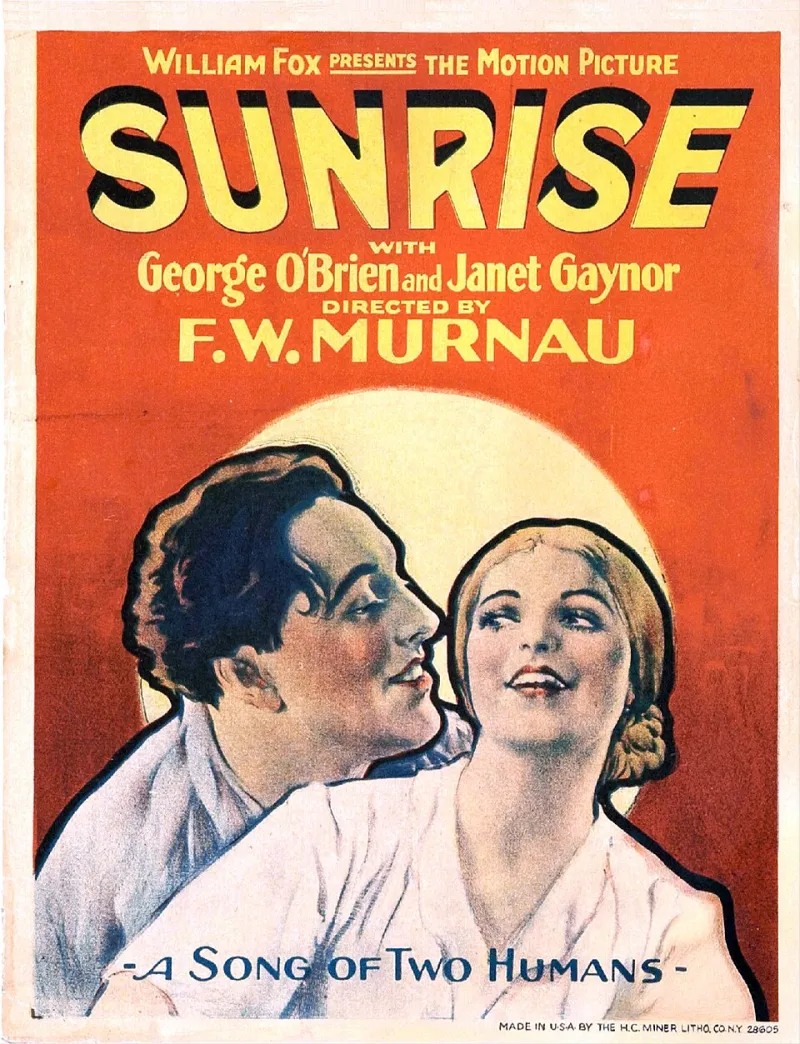
Riding for Real: The Native Champions Who Owned the Wild West While Hollywood Played Pretend
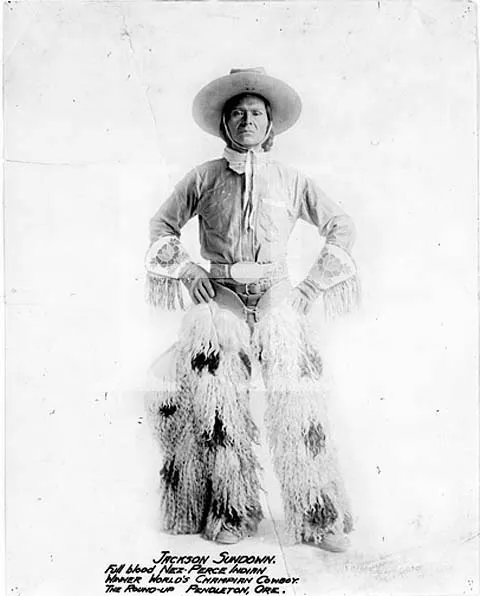
Photo: Unknown authorUnknown author, Public domain, via Wikimedia Commons
Somewhere between the popcorn and the projector light, America fell in love with a version of the West that never quite existed. Cowboys were stoic and white-jawed. Indigenous people were either savage obstacles or tragic relics of a dying world. It was a clean story. A convenient one.
What that story left out? The Native American performers who were literally headlining arenas, commanding top billing in Wild West shows, and drawing crowds of thousands — all while the film industry was busy casting white actors in brown makeup to play the very people standing right outside the studio gates.
This isn't a footnote. This is the whole other movie.
The Arena Was Already Theirs
By the late 1800s and into the early 1900s, Wild West shows were American entertainment royalty. Buffalo Bill Cody's traveling spectacle is the name most people recognize, but what gets glossed over is just how central Native performers were to making those shows work — and how much leverage some of them actually held.
Sitting Bull famously toured with Buffalo Bill's Wild West in 1885. He wasn't a background prop. He was a draw. Audiences paid specifically to see him, and he knew it. He negotiated his own terms, kept the money from selling his photographs and autographs, and left the tour on his own timeline. That's not a man being exploited. That's a man running a business inside someone else's tent.
And he was far from alone. Oglala Lakota performers, Cherokee horsemen, and riders from dozens of nations became fixtures of these shows — not as curiosities, but as athletes whose skills were genuinely unmatched. The horsemanship, the trick riding, the roping — these weren't theatrical approximations of frontier life. They were the real thing, performed by people whose communities had built those skills over generations.
Rodeo Was a Different Kind of Stage
If Wild West shows were the spectacle, rodeo was the sport — and Native American competitors showed up to dominate it.
Jackson Sundown, a Nez Perce rider born around 1863, became one of the most celebrated bronc riders of his era. He competed well into his fifties and won the World Bronc Riding Championship at the Pendleton Round-Up in 1916 at what was likely around 53 years old. Let that sink in. A Nez Perce man, in his fifties, beat out younger competitors from across the country at one of the most prestigious rodeo events in America — and most people today have never heard his name.
Tom Three Persons, a member of the Kainai Nation from Canada who competed in US circuits, rode a notoriously unrideable horse named Cyclone at the 1912 Calgary Stampede and became an overnight legend. His winnings were substantial. His fame, at least within rodeo circles, was real.
These weren't men on the margins. They were champions, and the crowds knew it.
Hollywood's Convenient Amnesia
Here's where the story gets particularly sharp. While Native athletes were actively competing, earning, and performing across the country, the film industry was constructing an entirely parallel — and fictional — version of Indigenous life.
Early Western films, cranked out by studios from the 1910s onward, needed "Indians." What they didn't particularly want was actual Native people in prominent roles. White actors like Iron Eyes Cody (born Espera Oscar de Corti, the son of Italian immigrants) built entire careers playing Indigenous characters. The look was a costume. The culture was a prop.
The cruel irony is almost too on-the-nose: studios were manufacturing a mythology about the vanishing Native American — noble but defeated, fierce but finished — at the exact same moment that Jackson Sundown was throwing himself onto a bucking bronc and winning championships. The "vanishing" was a story choice, not a fact.
Films told audiences that Native culture was past tense. The rodeo circuit told a completely different story, and the film industry simply wasn't interested in that one.
The Economics of Erasure
This wasn't just cultural negligence — there were real economic stakes. Native performers in Wild West shows generated enormous revenue for those productions. Some negotiated contracts, retained rights to their own likenesses, and built personal wealth. But the infrastructure of fame — the kind that turns a name into a legacy — was controlled by white promoters, white studios, and white-owned newspapers.
When the coverage happened, it often framed Native performers through a lens of exoticism rather than excellence. A white cowboy winning a rodeo was an American hero. A Native rider winning the same event was often written about as a curiosity, a surprise, an exception. The framing did quiet, lasting damage to how these athletes were remembered — or weren't.
Meanwhile, Hollywood's version of the West was getting archived, distributed, and rewatched for generations. The rodeo results faded into regional records. The Wild West show programs ended up in attic boxes. The film reels became cultural canon.
Reclaiming the Reel
The good news — if we want to call it that — is that this history isn't gone. It's just been sitting in the side story, waiting.
The Pendleton Round-Up still runs every September in Oregon, and its archives hold records of Jackson Sundown's victories. Tribal nations across the country have maintained oral histories and community records that academic institutions are only now beginning to properly engage with. Organizations like the Indian National Finals Rodeo, founded in 1976, have created dedicated space for Native rodeo athletes to compete and be recognized on their own terms.
Filmmakers like Sterlin Harjo and the team behind Reservation Dogs are doing something the old studio system never bothered with: telling Indigenous stories from the inside, with humor and specificity and zero interest in the vanishing narrative. It's a different kind of arena, but the principle is the same — show up, compete, and refuse to be written out.
The Myth Belonged to Them First
America has always needed its frontier mythology. The open plains, the test of skill against nature, the drama of man and horse — these images are woven into the national identity in ways that aren't going away anytime soon.
But the people who actually lived that mythology, who refined it into art and sport and spectacle, deserve to be at the center of the story they helped create. Jackson Sundown didn't ride a bronc so that a studio in California could cast someone else as him. Sitting Bull didn't negotiate his own touring contract so history could remember him only as a defeated chief.
They were performers, athletes, businesspeople, and cultural architects. The West that America romanticizes? They built it. Hollywood just changed the credits.